

Article
SPRING | 2026
Books and Badges
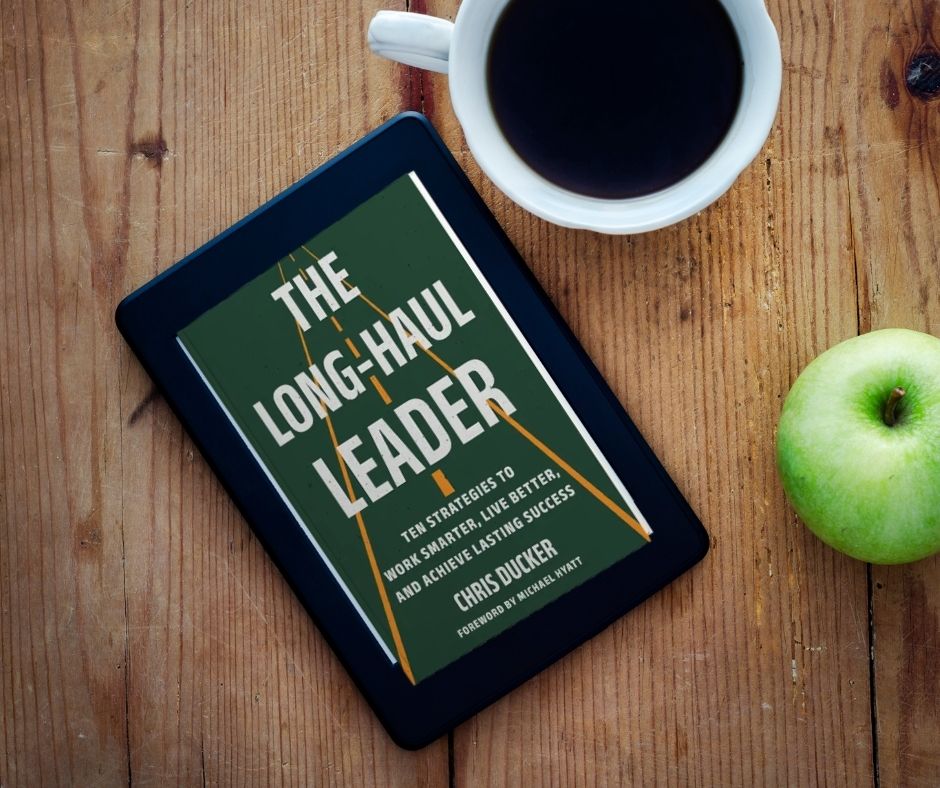
The Long-Haul Leader: Ten Strategies to Work Smarter, Live Better, and Achieve Lasting Success By Chris Ducker
By Billy Grogan
Spring | 2026
I have read other books by Chris Ducker and subscribed to his newsletter for several years. I find him to be a smart guy who shares a lot of good information with others. In The Long-Haul Leader: Ten Strategies to Work Smarter, Live Better, and Achieve Lasting Success, he presents a compelling case for a leadership style focused on sustainability, intentionality, and long-term impact rather than short-term hustle. Although written primarily for entrepreneurs and business leaders, its principles translate remarkably well to the world of law enforcement leadership, where the pressures of public safety, community expectations, and organizational responsibility can easily lead to burnout and short-term thinking.
At its core, the book argues that leadership is not about sprinting from crisis to crisis but about building a career—and a life—that can endure the long haul. Ducker emphasizes that success comes from consistent focus, healthy relationships, energy management, and purposeful work. For police chiefs, command staff, and aspiring leaders, these lessons are particularly relevant in an era where law enforcement agencies face increasing scrutiny, operational complexity, and workforce challenges.
The Long Game of Leadership
One of the book’s central themes is what Ducker calls the danger of “short-termism.” Leaders who chase quick wins often sacrifice long-term sustainability, both personally and organizationally.
For law enforcement leaders, this message resonates strongly. Police executives frequently operate under intense pressure—from political leaders, media cycles, and community expectations—to deliver immediate results. Yet the most important outcomes in policing—community trust, professional culture, and officer development—are long-term investments.
A chief who embraces the “long-haul” mindset understands that building a strong department takes years. Recruiting and developing quality officers, strengthening community partnerships, implementing technology responsibly, and instilling ethical leadership are not quick fixes. They are strategic commitments.
Avoiding Leadership Burnout
Another powerful message in the book is Ducker’s emphasis on avoiding burnout. The author draws from his own experience of exhaustion after years of nonstop work, arguing that many leaders confuse constant activity with meaningful progress.
Law enforcement leaders are particularly vulnerable to this trap. Chiefs and command staff often feel a personal obligation to respond to every crisis, attend every meeting, and remain constantly available. Over time, this pace can erode judgment, health, and relationships.
I have watched and counseled many police chiefs who have burned the candle at both ends until their jobs became so overwhelming that they retired or left their job to get away.
Ducker’s advice—to protect energy, prioritize recovery, and focus on what truly matters—is especially valuable in policing. A burned-out leader cannot effectively guide an agency through complex challenges such as officer morale issues, policy reform, or community conflict.
Relationships: The Heart of Effective Leadership
A recurring theme throughout the book is the importance of relationships. Ducker stresses that meaningful connections—with colleagues, family, and partners—are essential to long-term leadership success.
For law enforcement leaders, this principle extends beyond the workplace. Effective chiefs understand that policing is fundamentally a relationship profession. Officers must maintain trust with their communities, collaborate with other agencies, and work closely with local elected officials.
The “long-haul” leader invests time in these relationships long before they are needed. When crises arise—whether a controversial use-of-force incident or a community tragedy—those relationships become the foundation for trust and cooperation.
Final Assessment
The Long-Haul Leader is not a traditional law enforcement book, yet its message aligns perfectly with the challenges modern policing faces. Chris Ducker’s emphasis on sustainability, intentional leadership, and long-term thinking offers valuable guidance for police executives navigating the complexities of today’s profession.
For police chiefs, command staff, and aspiring leaders, the book serves as a reminder that leadership is not measured by how fast we run, but by how far we can lead others over the course of a career.
In a profession where the pressures are constant and the stakes are high, The Long-Haul Leader provides a timely and practical framework for those committed to leading with endurance, integrity, and purpose.
Is there a book you’d like to see reviewed? Please send suggestions to orrick@gachiefs.com

Chief Billy Grogan (Ret.)
Chief Billy Grogan (Ret.) is the President of Top Cop Leadership, a law enforcement leadership website designed to assist aspiring law enforcement leaders achieve their promotional goals up to and including being appointed as a police chief. Chief Grogan has over 43 years of law enforcement experience and 13 years as the Dunwoody Police Chief. He is a graduate of the FBI National Academy, Georgia Command College, and the Georgia International Law Enforcement Exchange (GILEE). He holds a Master’s Degree in Public Administration from Columbus State University.